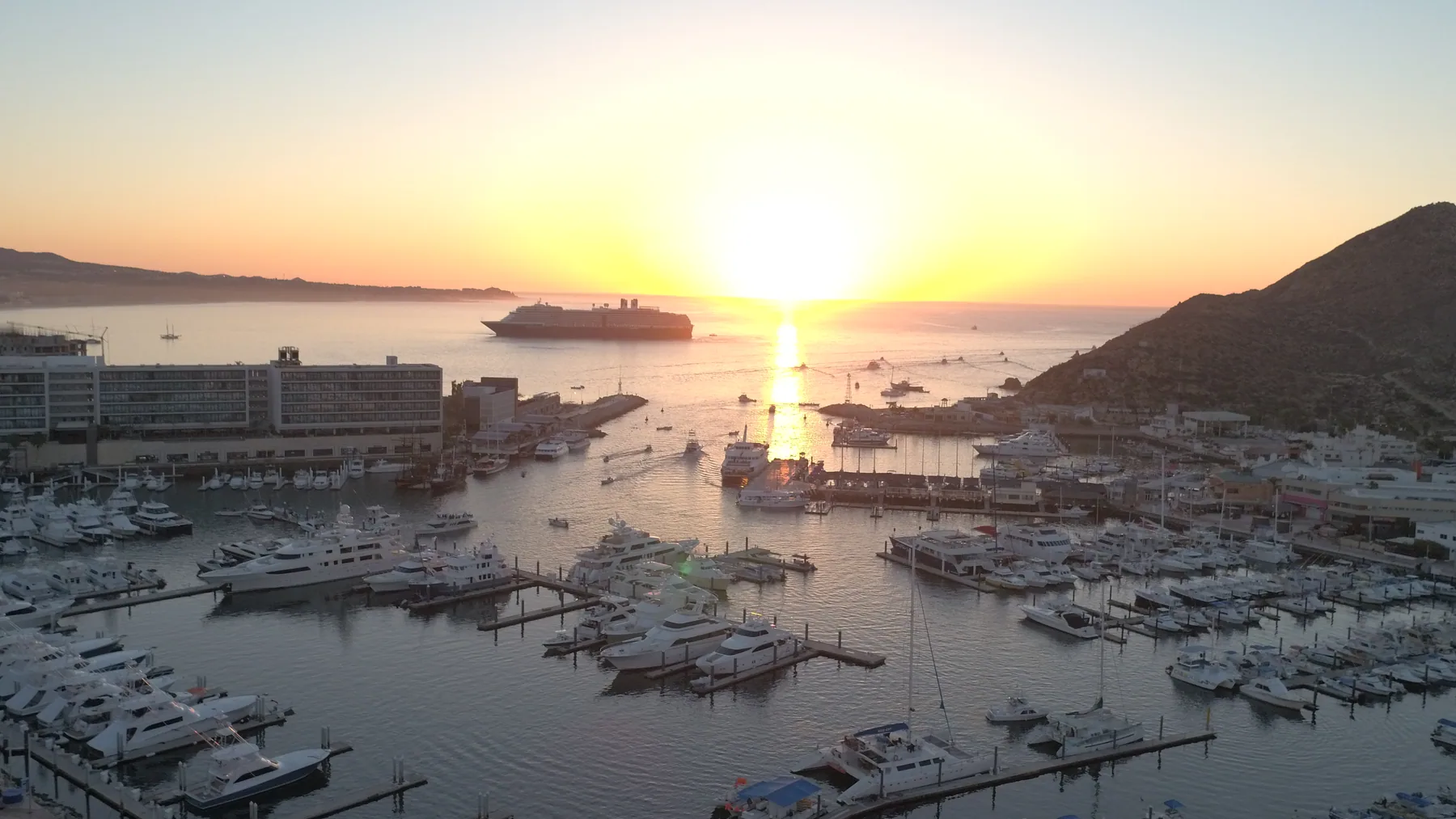
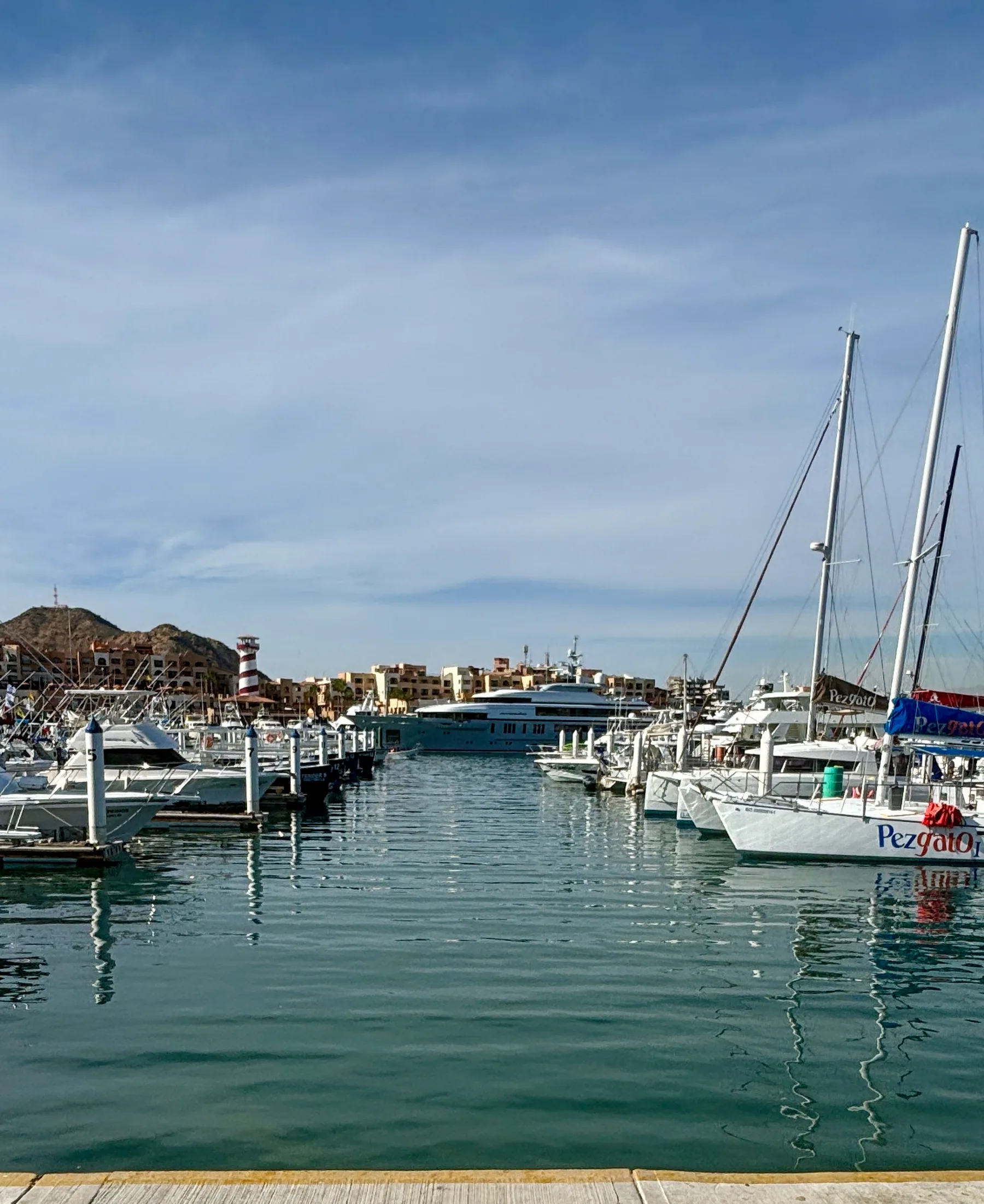



What Cabo Notes is
Cabo Notes is the publication’s bridge between evergreen planning and a destination that changes.
The area comparison should not be rewritten every time a road pattern, venue schedule, seasonal condition, or airport process changes. A separate dated note can document the observation, link to the controlling source, and direct readers back to the decision that the change affects.
The page is not a breaking-news feed. It does not promise live conditions. It does not repeat press releases simply to create publishing volume.
How a note qualifies
A Cabo Note must do at least one of the following:
- document an on-location observation with a date and limited scope;
- explain a material change confirmed by a controlling source;
- compare a seasonal condition with the assumptions travelers commonly bring;
- identify a practical friction point that changes an area, stay, transport, beach, or timing decision;
- correct or materially update an existing guide;
- add a visual field sequence that helps a reader understand movement, setting, or use.
What a note must show
Every note includes:
- publication date;
- observation or verification date;
- location;
- compact evidence label;
- source links for volatile facts;
- what the note does not prove;
- the evergreen guide it updates or supports;
- a correction route.
Launch note 1 — One word, several trips
CABO IS NOT ONE OPERATING MODEL.
Travelers often use “Cabo” as though it describes one compact resort town. In practice, the decision among Cabo San Lucas, San José del Cabo, and the Tourist Corridor changes how often a traveler moves, what can be reached on foot, how much time belongs to the property, and which kinds of days feel easy.
This note supports the area-comparison guide. It is not a ranking. A nightlife-focused group may consider Cabo San Lucas the obvious base. A resort-centered traveler may prefer the corridor. A traveler building the week around town time, galleries, and dining may prefer San José.
Related guide: CABO SAN LUCAS, SAN JOSÉ DEL CABO, OR THE TOURIST CORRIDOR?
Launch note 2 — Oceanfront is a view, not a swimming promise
READ THE BEACH DESCRIPTION LITERALLY.
A property can sit directly on a dramatic Los Cabos coastline without offering suitable swimming from the adjacent shore. The planning mistake is not choosing that property. The mistake is assuming that oceanfront, beachfront, beach access, and suitable swimming describe the same condition.
Current flags, lifeguards, local authorities, and observed conditions always control. A dated photograph cannot guarantee what the water will do on a future day.
Related guide: DO YOU NEED A SWIMMABLE BEACH—OR A GREAT POOL?
Launch note 3 — The first two hours shape the arrival day
THE AIRPORT DECISION IS PART OF THE HOTEL DECISION.
The arrival plan should identify the exact destination, terminal, transportation category, group size, luggage needs, contact method, and meeting instructions before landing. A remote or corridor property may still be the right choice, but the ground-transfer decision should be understood before the property is evaluated in isolation.
Current terminal and operating details belong to the airport operator and the applicable provider—not an old travel article.
Related guide: PLAN YOUR SJD ARRIVAL BEFORE YOU LAND
Launch note 4 — Médano Beach contains different experiences
A SHARED BEACH DOES NOT CREATE A SHARED PURPOSE.
Mango Deck and The Office on the Beach both belong to the Médano Beach decision, but they are not interchangeable. One is selected for high-energy beach-club activity. The other is selected for a long beach meal and a table-on-the-sand experience.
The value of the comparison is not declaring a universal winner. It is helping the traveler choose the experience that fits the day.
Related guide: THE BEST BEACH BARS IN CABO: MANGO DECK AND THE OFFICE
Launch note 5 — Nightlife is a format decision
DO NOT TREAT “GOING OUT” AS ONE CATEGORY.
A nightclub built around staff, music, a microphone host, and crowd participation is a different choice from a beach venue, dinner-and-drinks plan, lounge, or early night. The right question is not whether Cabo has nightlife. The right question is what kind of night the group wants and what sensory intensity it can comfortably handle.
Related guide: WHAT KIND OF CABO NIGHT DO YOU ACTUALLY WANT?
Future note categories
WHAT CHANGED
Material changes to airport instructions, venue operations, reservation practices, major access conditions, or source language.
SEASONAL CONTEXT
Heat, tropical-weather monitoring, whale-season planning, event periods, and changing daylight or activity patterns.
FIELD SEQUENCE
A dated visual walk through an arrival, district, beach context, or day structure.
PRACTICAL FRICTION
Transportation, luggage, group movement, noise, sand access, walking, reservations, and other details that affect the decision.
Calls to action
Related pages
- THE 5 CABO DECISIONS TO MAKE BEFORE YOU BOOK
- CABO SAN LUCAS, SAN JOSÉ DEL CABO, OR THE TOURIST CORRIDOR?
- DO YOU NEED A SWIMMABLE BEACH—OR A GREAT POOL?
- PLAN YOUR SJD ARRIVAL BEFORE YOU LAND
- WHAT KIND OF CABO NIGHT DO YOU ACTUALLY WANT?
- THE BEST BEACH BARS IN CABO: MANGO DECK AND THE OFFICE
- CURRENT SOURCES FOR FACTS THAT CAN CHANGE
Source notes
Cabo Notes uses the same source hierarchy as the core guides. A FIELD NOTE may describe a dated observation, but current safety, airport, immigration, weather, hours, reservation, and schedule facts remain controlled by the applicable authoritative source.
Freshness control
- Notes containing volatile facts: verify before publication and at the interval assigned in the source records.
- Notes built around an observation: preserve the original date; do not silently convert an older observation into current reporting.
- Archive or update a note when its core practical value expires.